

In the medical devices field, leadership has always required resilience. What’s changed is the span of responsibility leaders carry today—larger teams, faster decisions, more complexity, and far less margin for burnout. As the CEO of Rx Medical , a family of healthcare businesses, I see this firsthand. The pace doesn’t slow. Expectations don’t ease. And the pressure to deliver—for patients, partners, and teams—keeps rising. Technical skill and industry experience still matter. They always will. But they’re no longer enough on their own.
What separates strong organizations from struggling ones right now isn’t just strategy or innovation—it’s how leaders show up under pressure. Emotional intelligence has become the difference between teams that hold steady and teams that quietly fracture. Leaders who lead with awareness, clarity, and composure create environments where people can perform at a high level without burning out. And in healthcare, that isn’t optional—it’s a responsibility. Not as a “soft skill.” As a leadership advantage.

Why EQ Matters More Than Ever
Leadership today is happening in a compressed environment—more responsibility, more visibility, and less room for error. In the medical devices field, leaders are navigating rapid change while teams are being asked to do more with fewer buffers. That combination makes emotional intelligence a practical leadership skill, not a philosophical one.
Across industries—and especially in healthcare—we’re seeing the same pressure points:
- Teams carrying heavier workloads
- Leaders managing more people, more change, and more expectations
- Burnout showing up quietly before it becomes obvious
Emotional intelligence shows up in how leaders:
- Read the room before challenges escalate
- Communicate clarity instead of stress
- Build trust during uncertainty
- Retain strong people who have options
High-EQ leaders don’t eliminate pressure. They help teams move through it with focus and confidence.
The Real Impact on Teams
Emotional intelligence shows up where leadership pressure is most visible: in how teams perform when expectations are high and margins are tight. Leaders with strong emotional awareness don’t just manage tasks—they read dynamics, anticipate stress points, and address issues before they disrupt momentum. My executive leadership team and I have noticed that awareness creates stability, clarity, and trust across the organization, especially during periods of growth or change.
As a result, leaders with strong emotional awareness tend to see:
- Higher morale
- Lower turnover
- Stronger collaboration
- Better decision-making under pressure
Why? Because people don’t disengage from work—they disengage from leaders who don’t see them. When leaders listen well, communicate directly, and respond thoughtfully, teams feel steadier. That steadiness shows up in performance.

EQ in Action: What It Looks Like
Emotional intelligence at the leadership level isn’t about being agreeable, softening standards, or avoiding difficult conversations. It’s about having the awareness and discipline to lead with clarity when pressure is high and decisions matter. High-EQ leaders don’t react—they respond with intention, even when emotions are running hot or outcomes are uncertain.
It shows up in everyday leadership moments—how feedback is delivered, how conflict is addressed, and how accountability is enforced without eroding trust. When emotional intelligence is practiced well, teams know where they stand, what’s expected, and that their leader is steady.
It looks like:
- Giving clear feedback without creating defensiveness
- Staying calm when the stakes are high
- Recognizing when a team is stretched—and adjusting expectations
- Holding people accountable while still supporting them
It’s leadership that earns follow-through, not just compliance.
The Leadership Shift Ahead
As technology advances and roles continue to evolve, judgment, communication, and trust become even more valuable. In 2026, competitive organizations won’t just be defined by innovation or scale—but by leaders who know how to lead people through complexity without losing them along the way. Emotional intelligence isn’t replacing expertise. It’s making expertise effective.
📌LEADERSHIP CHALLENGE: As your responsibilities grow, are you investing as much in how you lead as in what you lead?
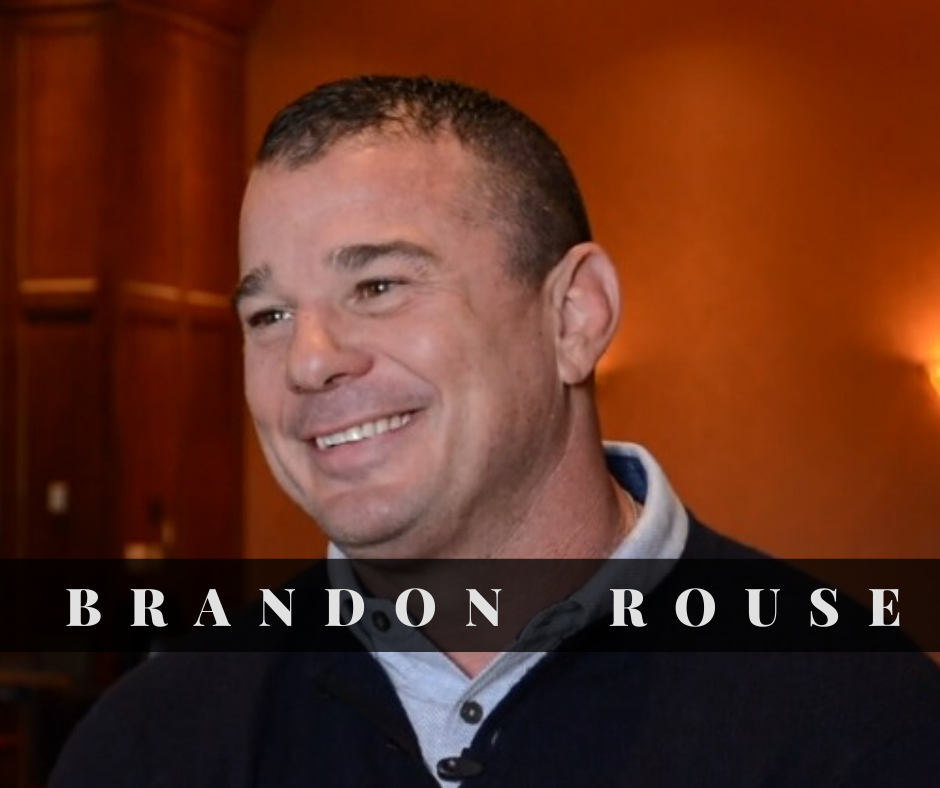
Brandon Rouse, CEO of Rx Medical, a family of healthcare businesses, leads a diverse & growing team of professionals well-versed in the challenges facing the medical field today. Headquartered in Oklahoma City, Oklahoma, Brandon’s experienced team represents various technological & innovative medical device solutions. ZB RX Medical and Rx Medical are direct distributors of Zimmer Biomet among others.